
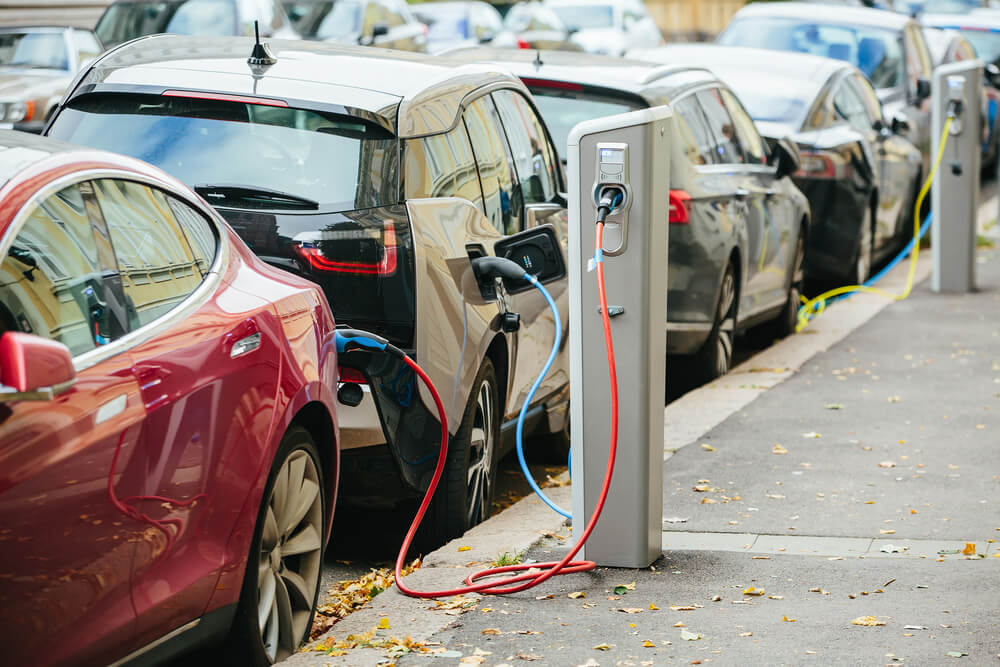
For the average working professional, the daily commute is an unavoidable routine. Whether it involves navigating dense urban gridlock or cruising along sprawling suburban highways, the time spent behind the wheel significantly impacts a person’s wallet, mental well-being, and carbon footprint. As urbanization increases and energy markets experience ongoing volatility, the choice of a commuter vehicle has evolved from a matter of personal style to a critical financial and environmental decision.
Choosing a fuel-efficient vehicle, whether it is a highly optimized internal combustion engine, a gas-electric hybrid, a plug-in hybrid, or a fully electric model, offers sweeping advantages. Transitioning away from gas-guzzling vehicles changes the daily commute from a stressful financial drain into a predictable, cost-effective, and environmentally responsible journey.
Direct Financial Savings at the Pump
The most immediate and easily measurable benefit of driving a fuel-efficient vehicle is the dramatic reduction in monthly fuel expenditures. The financial math behind daily commuting highlights how quickly minor differences in fuel economy can accumulate over a typical working year.
Consider a standard commuter who travels 30 miles round-trip each workday, amounting to roughly 7,500 miles annually just for work, not including weekend errands or road trips. A driver operating an older or larger SUV that averages 15 miles per gallon will consume 500 gallons of fuel annually for their commute. Conversely, a driver utilizing a modern fuel-efficient compact car or a hybrid vehicle averaging 45 miles per gallon will use just 167 gallons of fuel for the exact same distance.
This difference saves hundreds of gallons of fuel each year. When gas prices spike due to geopolitical tensions, supply chain disruptions, or seasonal refinery maintenance, owners of fuel-efficient cars remain largely insulated from market shocks. The financial predictability of knowing that a tank of gas will last two to three weeks rather than a few days provides immense peace of mind and frees up disposable income for savings, investments, or other household necessities.
Environmental Impact and Carbon Footprint Reduction
Beyond personal finance, the environmental implications of daily commuting are profound. Sector data consistently shows that personal transportation is one of the largest contributors to greenhouse gas emissions in developed nations. Daily commuters who drive inefficient vehicles collectively release tons of carbon dioxide, nitrous oxides, and particulate matter into the atmosphere every day.
By upgrading to a highly fuel-efficient vehicle, an individual drastically reduces their personal carbon footprint. This collective reduction is critical for improving air quality in metropolitan areas. Urban traffic congestion creates localized pockets of intense air pollution, which contributes to respiratory illnesses and smog.
Furthermore, fuel-efficient vehicles play a vital role in reducing the overall demand for petroleum extraction and refining. The environmental damage associated with drilling, transporting crude oil, and refining it into gasoline is extensive. Consuming less fuel on a daily basis decreases the societal reliance on these heavy industrial processes, thereby protecting fragile ecosystems from potential oil spills and industrial degradation.
Reduced Vehicle Wear and Tear and Lower Maintenance Costs
A less obvious but highly significant advantage of fuel-efficient vehicles, particularly hybrids and electric vehicles, is their inherent mechanical longevity and reduced maintenance requirements.
Automotive engineers design fuel-efficient vehicles to optimize energy use, which frequently results in less stress placed on core mechanical components:
-
Regenerative Braking Systems: Most hybrid and electric commuter vehicles utilize regenerative braking, a process that captures the vehicle’s kinetic energy during deceleration and converts it back into stored electricity. Because the electric motor handles a large portion of the braking force, the traditional friction brakes, including pads and rotors, experience dramatically less wear. Drivers of efficient hybrids often find their brake pads last twice as long as those on conventional vehicles.
-
Optimized Engine Operation: In hybrid configurations, the internal combustion engine does not bear the entire burden of accelerating the vehicle from a complete stop, which is the most mechanically demanding phase of driving. The electric motor provides instant torque at low speeds, allowing the gasoline engine to engage only when the vehicle reaches a cruise, minimizing internal engine stress.
-
Simplified Powertrains: For commuters who choose fully electric vehicles, the mechanical simplicity eliminates dozens of moving parts that are prone to failure over time. Electric commuters completely bypass the need for oil changes, spark plug replacements, transmission fluid flushes, timing belt adjustments, and emissions system repairs.
Enhanced Commuting Comfort and Reduced Stress
The psychological toll of daily commuting is well-documented. Sitting in stop-and-go traffic for extended periods raises cortisol levels and contributes to workplace fatigue. Fuel-efficient vehicles, by virtue of their design and technology, offer a noticeably more serene driving environment.
Modern hybrid and electric vehicles are exceptionally quiet. When sitting in gridlock or moving at low parking-lot speeds, the gasoline engine typically shuts off completely. The cabin remains silent, free from the constant vibrations and low-frequency drone of a traditional combustion engine. This silence creates a calmer atmosphere, turning the cabin into a space where drivers can listen to educational podcasts, audiobooks, or relaxing music without acoustic interference.
Additionally, many manufacturers bundle advanced driver-assistance systems with their fuel-efficient and alternative-fuel line-ups. Features like adaptive cruise control with stop-and-go functionality, lane-keeping assist, and eco-routing navigation work in tandem with the vehicle’s efficient powertrain. These systems alleviate the physical and mental fatigue of managing speed in heavy traffic, allowing the commuter to arrive at work or home feeling refreshed rather than depleted.
Preserving Long-Term Resale Value
The automotive market responds directly to consumer anxiety regarding energy costs. Vehicles with poor fuel economy experience volatile depreciation rates. When energy prices are low, large trucks and inefficient SUVs retain their value, but the moment fuel prices rise, the market demand for these vehicles plummets, causing their resale value to tumble.
In contrast, fuel-efficient vehicles maintain strong, stable demand on the secondary market. A commuter who purchases an efficient vehicle can drive it for several years with the confidence that there will always be a robust pool of buyers looking for a budget-friendly, economical car when it comes time to sell or trade it in. This sustained market demand protects the owner’s initial capital investment far better than an inefficient alternative would.
FAQ
How long do the batteries in hybrid commuter vehicles actually last before needing replacement?
Modern hybrid batteries are engineered for extreme longevity and typically last the entire functional lifespan of the vehicle. Most manufacturers provide extensive warranties on hybrid components, often covering 8 to 10 years or 100,000 to 150,000 miles. Real-world data indicates that it is highly common for hybrid batteries to surpass 200,000 miles without significant degradation in fuel efficiency or performance.
Do fuel-efficient compact cars compromise on safety during highway commutes?
No, modern fuel-efficient compact and subcompact vehicles must pass the same rigorous government and independent crash safety testing as larger vehicles. Advanced engineering allows smaller cars to utilize high-strength steel cages and sophisticated crumple zones that absorb and redirect impact energy away from the cabin. They also come standard with comprehensive airbag networks and active safety technologies like automatic emergency braking.
Is a plug-in hybrid better for a daily commute than a standard hybrid?
A plug-in hybrid can be significantly better if your daily round-trip commute falls within the vehicle’s all-electric range, which is typically between 25 and 50 miles. If you can charge the vehicle at home overnight or at work during the day, you can complete your entire daily commute using zero gasoline, while still retaining the gas engine for longer weekend trips without any driving range anxiety.
Does turning on the air conditioning drastically lower a vehicle’s fuel efficiency?
Running the air conditioning does place an extra load on the vehicle’s electrical or mechanical systems, which can reduce fuel economy by roughly 5 to 15 percent depending on the outside temperature. However, at highway speeds, driving with the windows rolled down creates significant aerodynamic drag, which can reduce efficiency even more than running the air conditioner on a low setting.
How do eco-driving modes found in efficient vehicles alter the driving experience?
Eco-driving modes modify the vehicle’s operational parameters to maximize efficiency. This typically involves reducing throttle sensitivity so the car accelerates more smoothly and gradually, altering transmission shift points to keep engine revolutions low, and optimizing the climate control system to consume less power. While the vehicle may feel slightly less responsive, it does not reduce the maximum power available in an emergency situation if the accelerator pedal is pressed completely down.
Are fuel-efficient vehicles more expensive to insure due to their specialized technology?
Insurance premiums are determined by a wide variety of factors, including the driver’s personal record, location, and the replacement cost of the vehicle. While some high-tech hybrids or electric vehicles may have slightly higher insurance premiums due to the cost of specialized components, many insurance providers offer specific green vehicle discounts that offset this difference completely, making them comparable to insure next to standard options.
