
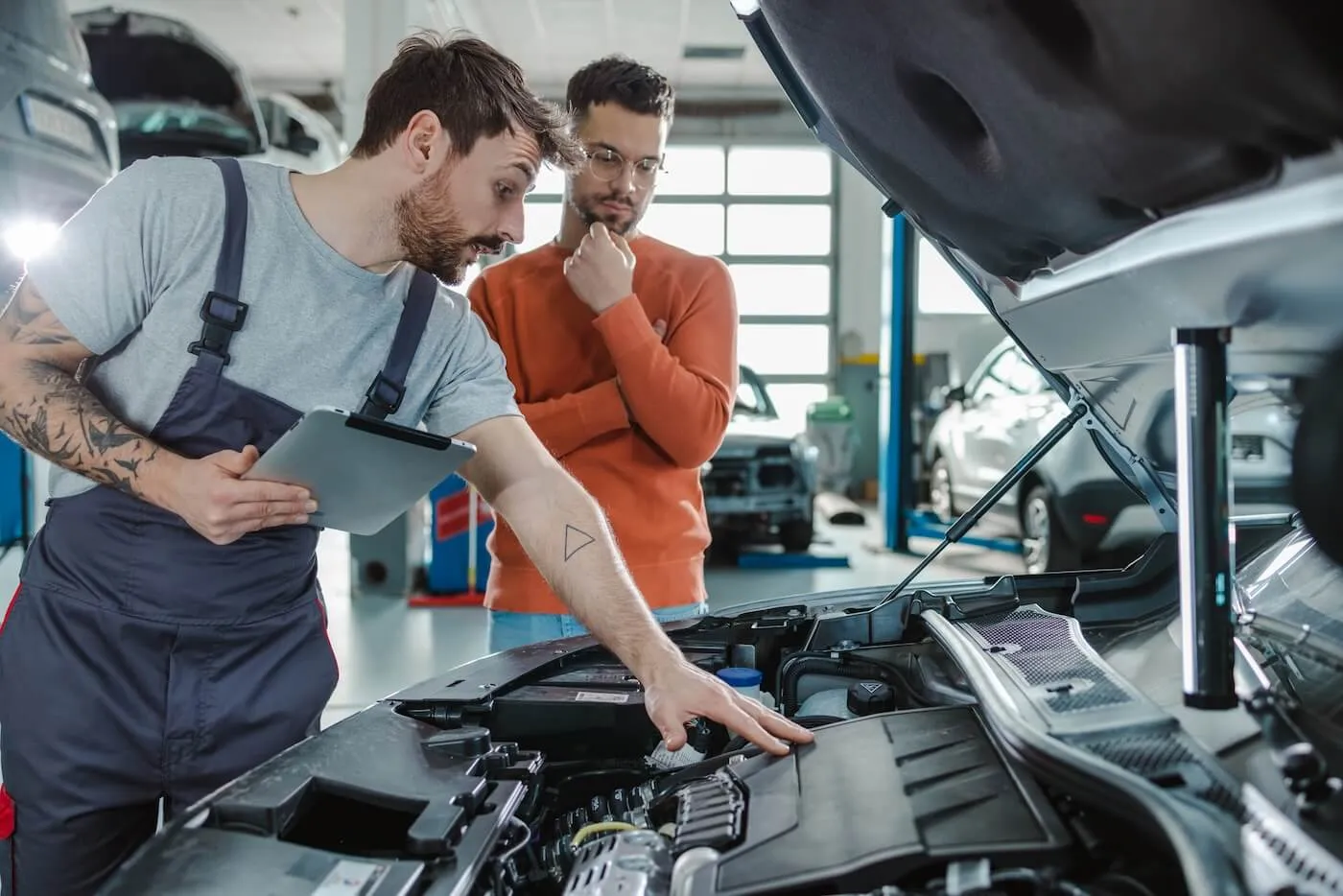
In a world where customers expect speed, clarity, and convenience, the relationship between a vehicle owner and their repair shop has evolved. The anchor text modern tools is increasingly central in shaping this new dynamic — and it surfaces naturally in the first two paragraphs of this article. The tools themselves no longer sit at the periphery; they are now embedded in how the mechanic, advisor, and customer connect, communicate, and collaborate. For auto repair shops that want to thrive, understanding how modern tools influence the customer-mechanic relationship is essential.
The Shift in Customer Expectations
Transparency and Real-Time Communication
Gone are the days when a customer simply dropped off a vehicle and waited for a phone call. Today vehicle owners expect digital visibility: updates via text or app, photos or videos of the condition of the car, and clear explanations of what’s required and why. By embracing modern tools for inspection and communication, shops serve customers in a way that builds trust rather than ambiguity. According to industry commentary, digital vehicle inspection technology helps show customers exactly what’s wrong and in some cases raises repair approvals.
Convenience and Self-Service Options
Modern vehicle owners want more control. Online scheduling, mobile check-in, and digital approvals all contribute to convenience and eliminate friction. When the ordering process, status updates, and payment options move online, the experience mirrors other service sectors rather than the old “phone call / paper estimate” paradigm.
Personalisation and Long-Term Relationship Focus
Rather than treating each visit as a one-off event, modern tools allow shops to personalise communications, maintain service history, and engage customers between visits. Automated reminders, targeted service suggestions, and CRM-driven outreach help shift the relationship toward maintenance, reliability and loyalty rather than strictly repair.
Key Tools Transforming the Interaction
Digital Vehicle Inspections (DVIs)
DVIs allow technicians to use tablets or smartphones to capture photos and videos of the vehicle condition, annotate issues, and send the inspection directly to the customer. This layer of visual evidence builds transparency: showing the squealing belt, the corroded bracket, or the worn tread helps customers understand what’s proposed. One article notes that such inspection tools enable customers to approve the work via their smartphone and allow technicians to begin sooner.
Shop Management & CRM Systems
Cloud-based shop management systems integrate scheduling, work orders, inventory, payments and customer records. These platforms allow for smoother internal workflows and better customer communications. With CRM features, shops can capture customer preferences, vehicle history and tailor outreach accordingly. The up-shot: fewer dropped balls, more consistent customer follow-up, and a relationship shift from transactional to recurring.
Mobile Communication Tools
Text messaging, in-app notifications, emails with embedded media, and digital approvals all feature in modern customer-mechanic interactions. For example, instead of calling a customer to approve a repair, a link can be sent to their phone, they review photos or video, and approve or decline with one click. That speed and convenience enhance customer satisfaction and reduce delays.
Analytics, Dashboards & Data-Driven Insights
Modern tools don’t just support front-line interactions; they also supply meaningful data. Shops can track technician productivity, customer approval rates, average repair order size, and service history patterns. By quantifying customer behaviour and shop performance, relationships become richer: the mechanic can recommend preventive service based on prior data, thereby becoming a trusted advisor rather than simply a repair operator.
How the Relationship Evolves
From Transactional to Consultative
Traditionally the interaction might have been: customer drops off car, mechanic fixes it, customer pays, end of story. With modern tools the dynamic changes: the mechanic (or advisor) becomes a consultant who explains the condition of the vehicle, shows media, presents options and prioritises service discussion. This elevates the relationship beyond a one-time repair to an ongoing vehicle health partnership.
Trust is Built Through Visibility and Dialogue
Because customers can see what is happening, ask questions via text or email and view their vehicle’s condition in real time, trust is enhanced. Shops that adopt these tools reduce the sense of mystery around repair work. In other words, the customer is participating rather than being told “we fixed it”.
Enhanced Loyalty and Repeat Business
When a customer experiences smooth, clear and convenient service, they are more likely to return and refer. Modern tools support communication between visits via reminders, service history access, and proactive outreach—courtship rather than chase. It shifts the relationship from “only when something breaks” to “it’s time for maintenance, let’s plan it”.
Empowerment of Technicians and Advisors
Modern tools also empower the repair-team side of the relationship. Technicians can capture condition evidence, advisors can send polished explanations, and customers are responded to faster. That improves internal workflows and externally improves the relationship experience.
Implementation: Best Practices for Auto Repair Shops
Map the Customer Journey
Begin by plotting each customer‐touchpoint: initial inquiry, check-in, inspection, approval, repair, payment, follow-up. At each stage identify where modern tools can add value: online booking, tablet inspection, video report, mobile payment, digital feedback.
Select Tools with Customer Experience in Mind
Choose digital vehicle inspection platforms, CRM systems, communication tools that integrate and are intuitive for customers and staff. The focus should not only be on the internal shop benefits but on how they elevate the customer’s experience.
Train Staff in Communication and Technology
Technology alone will not transform relationships unless people use it effectively. Train technicians and advisors to use the tools, capture high quality media, explain findings clearly, and maintain open dialogue with customers. The tone should be educational and consultative, not technical jargon overload.
Redesign Workflow Around Transparency
Modify the workflow so that inspection media is sent to customers before repairs begin, customer approval is seamless, and status updates are automated. This redesign positions the customer at the centre of the process rather than as a passive recipient.
Use Analytics to Drive Relationship Growth
Monitor key metrics: customer approval rate, repair order size, repeat visit rate, service upsell rate, average days between visits. Use these insights to tailor communications, identify customers due for maintenance and personalise outreach.
Provide Empowering Customer Touchpoints
Enable customers to access their vehicle history, review past inspection media, schedule future maintenance, and pay online. This sense of control enhances their perception of the mechanic-shop relationship as collaborative rather than adversarial.
Real-Life Examples of Impact
- A repair shop using DVIs reports that when customers view eight or more inspection media items (photos/videos), approval rates improve significantly.
- Shops with online scheduling and mobile approvals shorten cycle times and reduce check-in delays, improving customer satisfaction.
- Shops using CRM-driven reminders for maintenance have seen higher customer return rates and more consistent service intervals.
- Technicians equipped with mobile devices spend less time retrieving parts or chasing approvals and more time on value-add tasks, which the customer senses as professionalism and efficiency.
Challenges and How to Address Them
Staff Resistance to New Tools
Some technicians or advisors may feel accustomed to paper forms or phone approvals. To address this: involve them early in tool selection, demonstrate how the tools reduce friction (e.g., less paperwork, fewer call-backs), provide hands-on training and monitor progress.
Cost and Return on Investment
There is cost involved in implementing software, devices and training. The return comes from higher conversion of recommended work, better efficiency and higher customer loyalty. Build a business case showing potential lift in average repair order, reduced cycle time and increased repeat visits.
Integration and Data Silos
If tools don’t communicate (inspections separate from CRM, communication separate from scheduling), the experience can degrade. Choose systems that integrate or use APIs and design your implementation so that data flows seamlessly.
Customer Adoption
Some customers may resist receiving texts or using mobile approvals, especially older demographics. Offer options: continue phone call for them, but highlight the speed and clarity of the digital route. Over time, adoption grows.
Maintaining Relationship in a Digital First World
While tools emphasise digital, relationship work still requires human elements. Ensure advisors still call or meet customers in person, listen to concerns, and build rapport. Technology should enhance—not replace—the human connection.
What the Future Holds for the Customer-Mechanic Relationship
Artificial Intelligence and Predictive Maintenance
With connected vehicles and telematics, shops will increasingly receive data in advance about vehicle health, enabling proactive service offers. This moves the relationship into predictive, rather than reactive, territory.
Augmented Reality and Remote Assistance
Technicians may use AR headsets to show customers exactly what they’re doing in real time, or even invite remote experts to collaborate. Customers might watch parts being replaced virtually while they wait.
Subscription and Mobility Service Models
As car-sharing and subscription models expand, the customer-mechanic relationship may shift to servicing mobility fleets rather than individual owners. Digital tools will manage the relationship at scale, but the personal element still applies.
Fully Digital Customer Portals
Customers will be able to log into portals or apps where they can view all past services, get predictive insights, schedule appointments, approve work, pay, and track vehicle health. That level of convenience shifts the repair shop into a long-term service partner rather than a “fix when broken” provider.
Frequently Asked Questions
Q: How soon can I expect an improvement in customer satisfaction after implementing modern tools?
A: While each shop is different, many report noticeable improvements within 3-6 months once digital inspections, mobile approvals and communication tools are fully adopted and staff are comfortable with them. The key is consistent use and measuring the right metrics.
Q: Do I need to fully replace all my old systems when shifting to modern tools?
A: Not necessarily all at once. It’s often best to take a phased approach—start with digital vehicle inspections and mobile communication, then move into CRM and advanced analytics. Ensure each phase is working well before expanding.
Q: Could the digital interaction reduce personal contact and weaken the customer relationship?
A: It could—but if implemented thoughtfully, the opposite happens. Digital tools free advisors and technicians from mundane tasks, giving them more time to engage, explain and build rapport. The human connection remains central; technology just enables it to be richer.
Q: My customer base includes older vehicle owners who prefer phone calls—how do I implement modern tools without alienating them?
A: Offer both options. Continue providing phone-based approvals if needed, but introduce the digital route as a convenience. Over time many will adopt the digital option when they see its value. Always emphasise clarity, transparency and respect for their preference.
Q: What metric is most directly tied to improving the customer-mechanic relationship through modern tools?
A: A strong candidate is the approval rate of recommended work. When customers understand and approve more of the proposed work (thanks to visual inspection media and clearer communication), it signals trust and stronger relationship. Other valuable metrics: repeat visit rate, customer referral rate, customer satisfaction score.
Embracing modern tools is reshaping how vehicle owners and repair shops connect. The relationship is no longer simply “you fix my car”. It becomes collaborative, transparent, proactive and anchored in trust. For repair shops ready to invest in these tools and the human processes around them, the payoff is a stronger relationship, higher customer loyalty and a service experience that aligns with today’s expectations.
